





Caregiver Training Course
For aspiring care givers to Cancer patients
This course focuses on the practical, legal and ethical issues you face while providing care to the cancer patients. We help you develop the skills required to become an effective caregiver, which involves assisting loved ones and clients with meals, personal care, transportation and other physical and emotional needs. We explain how to deal with dementia while managing the impact of age, disease and injury to bring comfort to those in need.
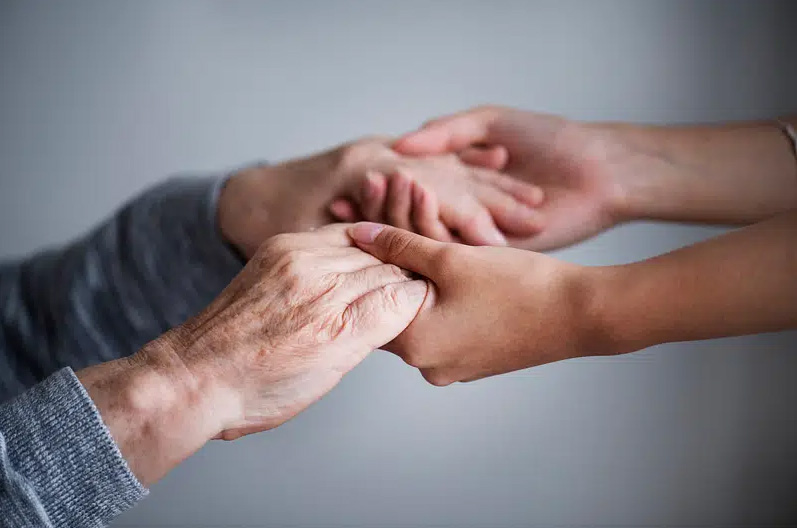
Who is a Caregiver?
A caregiver is a person who helps a cancer patient with their daily needs, often without payment. Caregivers can be family members, friends, or partners.
“I do this because I love helping people”
The true story of a Cancer Caregiver
What the course offers
This course begins by introducing you to the roles and responsibilities of caregivers. We study the legal and ethical issues involved in the caregiving process. You will also learn how to communicate with individuals with disabilities before covering stress management, body mechanics and organisational skills.
This course also discusses the purpose of observing, reporting and documenting the condition of those in your care. We establish the importance of cultural awareness and cultural competency to create a respectful work environment.
The course examines various ailments and illnesses you may encounter and describes their treatment and prevention.
This course provides the knowledge and skills needed to provide effective care to any client or family member in your charge, including the ability to deal with emergencies calmly.
What do Caregivers do?
- Help with daily tasks: Caregivers help with bathing, dressing, mobility, cooking, shopping, and cleaning.
- Manage finances: Caregivers help with insurance and legal issues.
- Plan for care: Caregivers make appointments, provide transportation, and report problems.
- Provide emotional support: Caregivers can help patients feel encouraged and supported.
- Coordinate care: Caregivers can help patients communicate with health professionals and make treatment decisions.
How can caregivers get support?
- The National Cancer Institute (NCI) has a booklet called When Someone You Love Is Being Treated for Cancer.
- The American Cancer Society can help caregivers find respite services.
- Local community groups, churches, or other religious organizations may offer sitter-companion services.
- Medicare, Medicaid, or private insurance plans may help pay for some or all of the cost.
Why is it important for caregivers to take care of themselves?
- Caregivers can have a big impact on a patient’s quality of life. If caregivers don’t take care of themselves, they won’t be able to take care of others.