




Treatment options and survival rates are now better than ever
Especially when Cancer is detected early
Diagnosing and treating cancer early, before it has grown bigger or spread to other parts of the body, means that patients are more likely to survive cancer.
If people are aware of the possible signs and symptoms of cancer and empowered to contact their general physician as soon as they notice any of the early signs, it can help the early diagnosis of cancer.

Potential Early Signs & Symptoms of Cancer
Cancer can cause changes to how your body normally looks, works or feels. It’s important to be aware of possible signs or symptoms of cancer.
Here are some common signs and symptoms that are often caused by other, non-cancerous illnesses. But if you notice anything that is unusual for you it’s important to talk to your general physician without delay.

- A new lump or bump.
- A lump or bump changing in appearance or size.
- Unexplained bleeding from any part of the body.
- Unexplained bruising.
- Unexplained or persistent pain.
- A change to your usual bowel or bladder habits.
- A new or changing cough.
- Changes on your skin.
- Difficulty chewing, swallowing or moving your tongue.
- Unexplained weight loss or weight loss without trying.
- Unexplained night sweats.
- Unexplained tiredness.
Early detection
Early detection of cancer involves identifying cancer before symptoms appear, or detecting cancer early in symptomatic patients. Early detection can increase the chances of successful treatment. Here are some early detection methods:
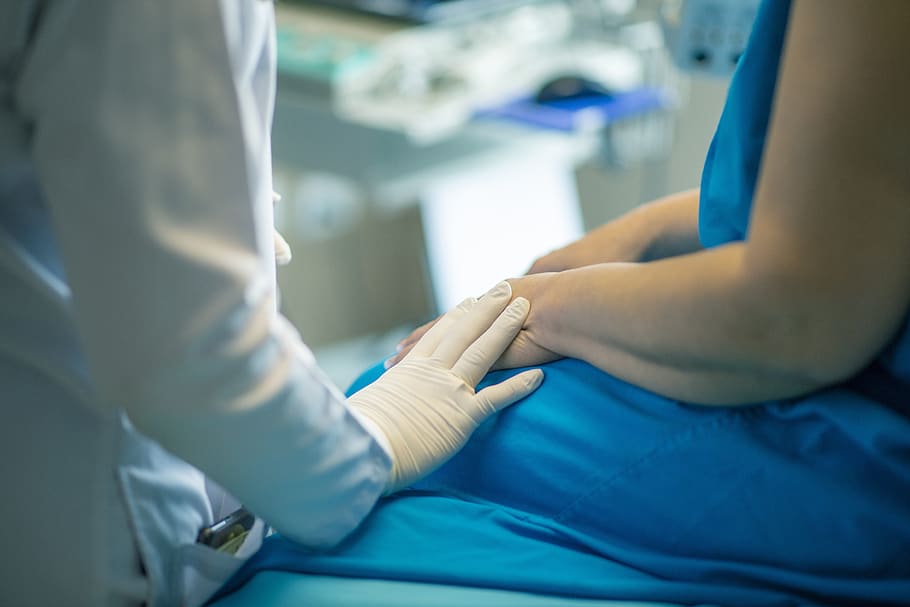
- Screening tests: These tests are performed on people who are healthy and don’t have symptoms. Some examples include:
- Mammography: Used to screen for breast cancer
- HPV and Pap tests: Used to screen for cervical cancer
- Colonoscopy, sigmoidoscopy, and stool tests: Used to screen for colorectal cancer
- Low-dose CT scans: Used to screen for lung cancer
- Early diagnosis: This involves detecting cancer as early as possible in patients who are experiencing symptoms
- Multi-cancer early detection (MCED) tests: These tests can detect multiple types of cancer early
Some common types of cancer
- Breast cancer: The most common cancer in women in India.
- Lung cancer: A common cancer in India, but it can be difficult to treat and has a poor survival rate.
- Stomach cancer: A common cancer in India.
- Colorectal cancer: Also known as colon cancer, this cancer affects the large intestine.
- Head and neck cancer: A common cancer in men in India.
- Prostate cancer: A common cancer in men in India.
- Cervical cancer: A common cancer in women in India.
- Ovarian cancer: A common cancer in women in India.
- Other types: Leukemia, Lymphoma, Sarcoma, Germ cell tumors, Blastomas, Skin cancer, Liver cancer, and Kidney cancer.